Source Unisex Bucket Hat for Outdoor, Fashion, and Work
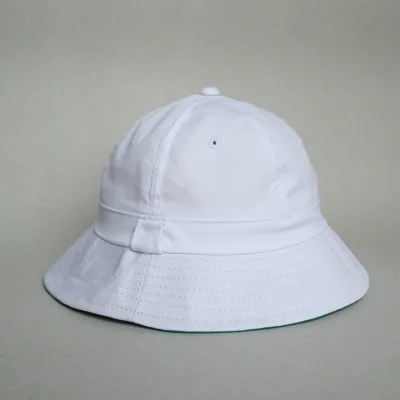
Find 30 unisex bucket hat options for outdoor activities, fashion styling, and work environments. Compare features like cotton material, adjustable sizing, and customization services to select the best fit for your needs.
Key considerations
Products List




Comprehensive Sourcing Guide
Unisex Bucket Hat Sourcing Guide
Sourcing unisex bucket hats requires a nuanced understanding of the intersection between casual fashion trends and functional headwear specifications. The market for these items is characterized by a high degree of customization, allowing buyers to tailor products to specific brand identities while maintaining the universal appeal of the bucket silhouette. This guide provides evidence-based procurement strategies for sourcing these items, focusing on verified product attributes, technical verification, and commercial risk mitigation. Buyers must navigate a landscape where aesthetic preferences, such as embroidered letters or checked patterns, coexist with functional requirements like moisture-wicking fabrics and sun protection.
The procurement process for unisex bucket hats is heavily influenced by the diversity of available styles, ranging from classic baseball cap structures to traditional bucket shapes and trucker caps. This variety means that a single supplier may offer a broad catalog, but it also necessitates rigorous specification alignment to ensure the final product matches the buyer’s intent. Whether the goal is to produce a lightweight summer accessory or a durable winter hat, the sourcing strategy must account for material composition, pattern technology, and seasonal applicability. By focusing on verified data points rather than marketing claims, buyers can establish a solid foundation for successful procurement.
Product Scope and Observed Listing Signals
The observed product landscape for unisex bucket hats reveals a wide spectrum of material compositions and design features. A significant portion of the market offers hats made from 100% cotton, which is often associated with breathability and comfort, particularly for spring, autumn, and summer applications. However, buyers should also consider options that include synthetic blends or specialized treatments to achieve features such as water resistance, quick-dry capabilities, and antimicrobial properties. The presence of attributes like "wrinkle-free" and "lightweight" suggests that many listings target consumers who prioritize ease of care and portability, making these hats suitable for travel or outdoor activities.
Design customization is a dominant signal in this category, with suppliers frequently offering embroidered patterns, printed letters, and checked styles. The use of 3D embroidery and silk screen printing technologies indicates a mature manufacturing capability that can support complex branding requirements. Additionally, the availability of multiple colors, including red, purple, orange, green, gray, brown, and black, allows for extensive colorway planning. Buyers should note that some listings specify "customized" colors and sizes, which implies a higher level of flexibility but may also introduce longer lead times or minimum order quantity (MOQ) requirements. The inclusion of special features like "ponytail holes" or "rechargeable" elements points to niche applications that require careful verification of functionality.
Technical Specifications to Verify
Verifying technical specifications is critical to ensuring that the ordered hats meet the intended use case. Size consistency is a common pain point in headwear procurement, so buyers must cross-reference metric sizes (ranging from 54cm to 64cm) with USA and UK sizing standards. For instance, a metric size of 56-60cm corresponds to specific USA and UK measurements that must be clearly defined in the purchase order to avoid fit issues. Buyers should also verify the crown structure, as some hats are described as having a "with crown" feature, while others may be structured differently. The shape classification, whether it is a baseball cap, trucker cap, or bucket hat, must be explicitly confirmed, as these terms are sometimes used interchangeably in listings.
Material and pattern technology verification is equally important. While many products are listed as 100% cotton, buyers should confirm whether the fabric is treated for specific performance attributes such as UV resistance, windproofing, or reversibility. The distinction between embroidered and printed patterns affects both the aesthetic and the durability of the design. For example, 3D embroidery provides a raised, textured look that is often more durable than silk screen printing, which may be preferred for detailed, multi-color graphics. Buyers should also check for features like "azo-free" dyes and "eco-friendly" materials if sustainability is a key brand value. The presence of tags, plastic trays, laser labels, and paper boxes in the packing specification indicates a retail-ready presentation, which can reduce secondary packaging costs for the buyer.
Compliance and Safety Documentation
Compliance and safety documentation are essential for mitigating legal and reputational risks in the headwear industry. Buyers should request evidence of compliance with relevant textile regulations, particularly regarding chemical safety. The mention of "azo-free" attributes suggests that some suppliers adhere to restrictions on harmful azo dyes, which is a critical requirement in many international markets. However, buyers must verify this claim through independent testing reports rather than relying solely on supplier assertions. Documentation should also cover any claims related to antimicrobial properties or sun protection, as these functional benefits often require specific test results to be substantiated.
In addition to chemical compliance, buyers should consider broader social compliance standards, such as BSCI, which may be relevant depending on the target market and brand values. While the presence of such certifications is not guaranteed for all suppliers, it is a valuable indicator of ethical manufacturing practices. Buyers should also verify that the products meet any specific labeling requirements in their destination country, including fiber content labeling and care instructions. The "game used" attribute, if applicable, may imply a certain level of durability or performance, but this should be clarified with the supplier to ensure it aligns with the buyer’s quality expectations. Proper documentation ensures that the imported goods can clear customs without delays and meet consumer safety standards.
Cost Drivers and Commercial Terms
Cost drivers in the unisex bucket hat market are influenced by material choices, customization complexity, and order volume. The observed price range of $0.35 to $5.90 USD reflects the vast diversity in product quality and features. Basic cotton hats with simple printed designs will likely be at the lower end of this range, while hats with 3D embroidery, multiple colors, and specialized features like water resistance or rechargeable elements will command higher prices. Buyers should also consider the impact of MOQs, which range from 25 to 3000 units. Lower MOQs offer flexibility for testing the market but may come with higher per-unit costs, while larger orders can leverage economies of scale to reduce prices.
Commercial terms such as payment methods, shipping arrangements, and lead times are critical components of the procurement strategy. Buyers should negotiate clear terms regarding sample costs, which are often refundable upon placing a bulk order. The origin of the products, often listed as Baoding or China, can influence shipping costs and lead times. Buyers should also consider the packaging specifications, as retail-ready packaging can reduce handling costs but may increase the initial unit price. It is advisable to request a detailed quotation that breaks down costs by material, labor, and customization fees to ensure transparency. Understanding these cost drivers allows buyers to make informed decisions that balance quality, cost, and delivery speed.
Supplier Qualification and Quality Control
Supplier qualification is a foundational step in ensuring a reliable supply chain for unisex bucket hats. Buyers should conduct thorough due diligence on potential suppliers, verifying their business licenses, production capacity, and past performance. The ability to offer OEM and ODM services is a positive indicator of a supplier’s flexibility and expertise in custom manufacturing. Buyers should also assess the supplier’s quality control processes, including in-line inspections and final random inspections. Given the variability in product attributes, it is essential to establish clear quality standards before production begins.
Quality control measures should include checks for material consistency, pattern alignment, and stitching quality. For embroidered hats, buyers should verify that the 3D embroidery is secure and does not snag. For printed hats, color fastness and print clarity are key quality indicators. Buyers should also inspect the hats for defects such as loose threads, uneven seams, or misaligned brims. The use of standardized packing methods, such as carton packing or individual plastic trays with labels, helps protect the products during transit. Establishing a robust quality control protocol reduces the risk of receiving substandard goods and ensures that the final products meet the buyer’s expectations.
Long-Term Procurement Checks
Long-term procurement success depends on continuous monitoring and relationship management with suppliers. Buyers should regularly review supplier performance metrics, including on-time delivery rates, product quality consistency, and responsiveness to issues. Building a strong relationship with a reliable supplier can lead to better pricing, priority production, and improved communication. Buyers should also stay informed about market trends and changes in consumer preferences, such as the growing demand for sustainable and eco-friendly products. This awareness allows buyers to adapt their sourcing strategies and maintain a competitive edge.
Additionally, buyers should periodically re-evaluate their supplier base to ensure they are leveraging the best available options. This may involve sourcing from multiple suppliers to mitigate risk or consolidating orders with a single supplier to achieve volume discounts. Buyers should also maintain open lines of communication with suppliers to address any emerging issues promptly. By implementing a structured approach to long-term procurement, buyers can build a resilient supply chain that supports their business growth and meets the evolving needs of their customers. Regular audits and feedback loops are essential tools for maintaining high standards and fostering a collaborative partnership with suppliers.
FAQs
What materials are used for unisex bucket hats?
The primary material is 100% cotton, ensuring durability and comfort for daily wear. Some variations may include synthetic blends for specific performance needs. The fabric choice supports breathability and moisture-wicking properties, making these hats suitable for various weather conditions while maintaining a classic aesthetic for unisex audiences.
Can I customize the design of these hats?
Yes, customization is available for both patterns and branding. Buyers can choose from embroidered letters, printed styles, or checked patterns. OEM and ODM services are accepted, allowing for tailored logos and specific design elements. This flexibility ensures that the final product aligns with your brand identity and target market preferences.
What sizes are available for unisex bucket hats?
Standard sizes range from 54cm to 64cm in metric measurements, covering most adult head circumferences. Specific USA and UK sizes are also mapped for international compatibility. Customized sizing options are available upon request, ensuring a perfect fit for diverse user demographics and specific regional sizing standards.
Are these hats suitable for summer and winter use?
Yes, these hats are designed for use in summer, spring, autumn, and winter seasons. Features like sun protection and UV resistance make them ideal for warm weather, while lightweight and breathable materials ensure comfort. Some variants offer windproof or ear-warming properties, adapting to colder conditions for year-round versatility.
What packaging options are provided for bulk orders?
Standard packaging includes a tag, plastic tray, laser label, and paper box for individual units. For larger shipments, carton packaging is used to ensure safe transport and storage. This structured approach protects the hats during logistics and maintains product presentation quality upon arrival at the destination warehouse or retail location.
What special features do these hats offer?
Key features include water resistance, quick-dry capabilities, and antimicrobial properties. Many models are lightweight, foldable, and adjustable for a secure fit. Additional options may offer sun protection, moisture-wicking, or reversible designs, catering to active users who require functional performance alongside stylish aesthetics for outdoor activities or daily commuting.